SW17 removals tips for moving near Tooting Bec Common
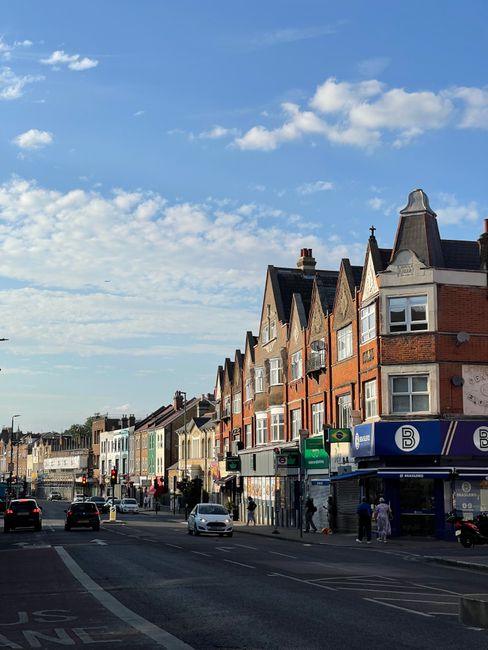
If you are planning a move in SW17, you already know it can be a bit different from a standard house move across town. Streets near Tooting Bec Common can feel busy at the best of times, with morning joggers, school runs, parked cars, narrow side roads, and that constant London shuffle of people coming and going. The good news? A calm, well-planned removals day is absolutely possible. These SW17 removals tips for moving near Tooting Bec Common are designed to help you avoid the usual headaches, protect your belongings, and make the whole day feel more manageable from start to finish.
Whether you are moving from a flat, a family house, or a shared property, the practical details matter: access, parking, packing order, building rules, timing, and the right type of vehicle. And yes, a little local know-how goes a long way. Let's get into the stuff that actually helps.
Why SW17 removals tips for moving near Tooting Bec Common Matters
Moving in SW17 is not just about getting boxes from one address to another. Around Tooting Bec Common, the environment can affect almost every part of the day. Roads can be busier than you expect, parking can be tight, and access to some homes or flats may involve stairs, shared entrances, or awkward loading points. If you ignore those details, your move can slip from "busy" to "why did we think this was a good idea?" rather quickly.
That is why local moving tips matter. They help you prepare for the practical realities of the area, rather than assuming every property works the same way. A move near a green space like the Common may also coincide with weekend traffic, leisure walkers, or events nearby. Even if your route is short, the time it takes to actually load and unload can be longer than expected.
There is also the simple cost angle. Good planning can reduce the need for extra trips, unnecessary waiting time, or last-minute changes. If you are comparing removal companies, the best ones will talk about access and timing early, because that is where the day is won or lost. Truth be told, the price of a move is often shaped less by distance and more by the practical details nobody wrote down.
Expert summary: In SW17, the smartest move is usually the one that respects access, parking, timing, and packing order before a single box is lifted. Get those four things right and the rest gets a lot easier.
How SW17 removals tips for moving near Tooting Bec Common Works
A local removal process usually starts long before moving day. First, you assess the property: how many rooms, what type of furniture, whether there are stairs or a lift, and where a van can safely park. Then you decide whether you need a full team, a smaller man and van service, or something larger like a removal truck hire option. That decision affects time, cost, and how smoothly the day runs.
Next comes packing. This is where many people underestimate the workload. A move is not just "put things in boxes." It is labelling, sorting, protecting fragile items, deciding what should stay with you, and separating anything you will need immediately after the move. If you use packing and boxes properly, you reduce breakage and make unloading much more efficient.
On the day itself, the moving team should work through a sensible loading order: larger furniture first, then boxed items, then fragile pieces, and finally the items you want closest to hand at the destination. If the property near Tooting Bec Common has narrow hallways or a tight staircase, careful sequencing matters even more. One badly placed sofa can stall everything. It happens. More often than people admit.
After the main load, there may be a final sweep for forgotten items, meter readings, and keys. That last walk-through is small but important. It is the moment you notice the charger in the back of a drawer or the plant pot by the windowsill you almost forgot. Happens every time, more or less.
Key Benefits and Practical Advantages
Done properly, a local move near Tooting Bec Common gives you more than just a new address. It gives you a cleaner start. A well-planned removals day reduces stress, cuts down on wasted time, and lowers the risk of damage to furniture, walls, floors, and boxed items.
- Less waiting around: You know where the van can stop and what time loading begins.
- Fewer damaged items: Proper packing and handling protect fragile belongings.
- Better timing: You can plan around traffic, building access, and handover windows.
- Lower moving-day stress: Everyone knows what is happening and when.
- Smarter use of space: Choosing the right vehicle avoids cramming or repeated journeys.
- Cleaner unpacking: Labels and room-by-room boxes save time at the other end.
There is also peace of mind. If you are moving with children, pets, or a strict deadline for keys, that matters a lot. A calmer move gives you space to think, and in London that is underrated. Very underrated, actually.
For some moves, a smaller and more flexible service such as removal van support is ideal. For larger homes or mixed loads, a more robust moving truck may be the better fit. The right match can make a surprisingly big difference to the whole day.
Who This Is For and When It Makes Sense
These tips are useful for anyone moving within SW17 or into the Tooting Bec Common area, but they are especially helpful if your move has any of the following features:
- You are moving from or to a flat with shared access.
- Your property is on a road with limited parking.
- You have large, heavy, or awkward furniture.
- You are moving with a tight handover window.
- You need help with dismantling, wrapping, or carrying items upstairs.
- You want to avoid multiple trips across south London traffic.
Students, renters, first-time buyers, and growing families all approach the day differently. A student move may need speed and simplicity, which is why student removals can be a practical choice. A family house move may need more planning, more packing materials, and a more careful schedule. An office move, on the other hand, is often about minimising disruption, which is where commercial moves and office removals become relevant.
If you are deciding whether you need full support or a lighter service, be honest about your capacity. Can you carry wardrobes safely? Do you have enough help? Are you comfortable parking and loading in a tight spot? If not, it may be better to bring in a more experienced team from the start.
Step-by-Step Guidance
1. Start with a realistic property assessment
Walk through the home and list every item that needs moving. Be specific. A "small flat" can still hide a lot of stuff under beds, in cupboards, and on top of wardrobes. Measure anything large if you suspect access could be awkward. A quick measurement now can prevent a very awkward moment at the front door later.
2. Check access and parking early
Near Tooting Bec Common, a loading space can make or break the day. Look at where the vehicle can stop, whether there are restrictions, and how far the van will be from the front door. If you are using a removals team, share this information early. It helps them estimate the right vehicle and the right amount of labour.
3. Choose the right moving setup
Not every move needs a large truck. A smaller flat move may suit flat removals or a flexible man with van arrangement. A bigger family property, however, may need a fuller service such as house removals or help from experienced house removalists. The point is not to choose the biggest option. It is to choose the one that fits the move.
4. Pack in zones, not randomly
Pack room by room. Keep labels visible on at least two sides of each box. Fragile items need padding and a clear label, but also a bit of common sense. "Fragile" should not mean "put this under the stack and hope for the best." Use sturdy boxes, fill empty space, and keep essential items separate for the first night.
5. Prepare one essentials bag
Keep documents, chargers, keys, medication, snacks, toilet paper, and a change of clothes in one bag or box that stays with you. This sounds obvious until you are standing in a hallway at 9 p.m. looking for a phone charger while the kettle and mugs are buried somewhere in the van. You will thank yourself later.
6. Load in a sensible order
Heavy, stable furniture usually goes in first. Delicate items should be secured so they cannot shift. If you have a piano or similarly sensitive item, a specialist service such as piano removals is worth considering. Not all heavy items are the same, and not all lifting mistakes are recoverable.
7. Do the final checks before locking up
Check cupboards, loft access, under beds, balconies, sheds, and storage areas. Turn off appliances if needed, take meter readings, photograph the rooms if you want a record, and make sure keys are handed over properly. Small details, big difference.
Expert Tips for Better Results
Here are the small but meaningful things that make removals day run better in SW17.
- Book earlier than you think you need to. Good moving slots are often snapped up before the end of the month.
- Be precise about inventory. A vague list leads to vague planning, and vague planning is expensive in its own way.
- Protect high-traffic areas. Floor runners, cardboard, or blankets can help if you are moving through clean carpets or polished floors.
- Keep a tool kit handy. Allen keys, screwdrivers, tape, scissors, and a marker pen are tiny heroes on moving day.
- Label "priority" boxes clearly. Kettle, bedding, chargers, cleaning stuff, and basic kitchen items should be easy to find.
- Ask about insurance and handling standards. It is sensible, not fussy, to understand how belongings are protected in transit. See insurance and safety for a clear overview of what matters.
One thing people often miss: the route between the door and the vehicle matters almost as much as the vehicle itself. A narrow pavement, a flight of steps, or a muddy garden path can slow things down more than you would expect. Near Tooting Bec Common, that is especially true after wet weather. A little drizzle, and suddenly everything needs extra care.
If you are moving a business or workspace, the same thinking applies. A good plan, a defined load order, and the right team help preserve business continuity. That is one reason some people prefer a structured office relocation services approach over trying to handle everything informally.
Common Mistakes to Avoid
Most moving problems are predictable. The frustrating part is that they are also avoidable.
- Leaving packing too late: This usually leads to weak boxes, bad labels, and rushed decisions.
- Underestimating the amount of stuff you own: Everyone does this at least once. It is almost a rite of passage.
- Not checking parking or access: A van that cannot stop close enough will slow everything down.
- Using the wrong vehicle size: Too small means extra trips. Too large can be unnecessary cost.
- Forgetting building rules: Some properties have move-in time windows, lift rules, or booking requirements.
- Poor labelling: "Misc box 4" is not a strategy. It is a cry for help.
- Ignoring storage needs: If your dates do not line up, short-term storage can save the day.
Another common error is failing to get rid of things before the move. Old furniture, broken chairs, duplicate tables, or box loads of "might use one day" items all add weight and stress. If you want a cleaner reset, services like furniture removals or furniture pick up can help you clear out items you do not want to take along.
Tools, Resources and Recommendations
You do not need a huge kit to move well. In fact, most of the useful tools are pleasantly ordinary.
- Strong boxes: Use a mix of small and medium boxes so heavy items do not become impossible to carry.
- Packing tape and labels: Simple, but essential.
- Marker pens: Thick, visible writing saves time.
- Blankets, wraps, or covers: Helpful for furniture edges and fragile surfaces.
- Basic tools: For beds, shelves, handles, and loose fittings.
- Inventory list: A quick spreadsheet or handwritten list is enough if it is clear.
For many homes, a good packing service can be a worthwhile investment. If you are short on time, have delicate belongings, or simply do not want to spend every evening surrounded by tape and cardboard, packing and unpacking services can take a lot of pressure off the week before the move.
It is also sensible to compare service styles, not just prices. A low headline price can look good until you realise it does not include enough labour, suitable vehicle space, or the right handling support. If you want clarity, start with pricing and quotes and ask specific questions about what is included. Straight answers are worth more than a polished brochure, to be fair.
Law, Compliance, Standards, and Best Practice
Moving home or office in SW17 does not usually require you to become a legal expert overnight, but there are a few best-practice points worth understanding. UK moving jobs should be carried out with care, proper handling, and sensible transport practices. That means safe lifting, secure loading, and attention to the condition of the vehicle and equipment used.
From a customer perspective, good practice usually includes:
- clear communication about the move scope, timing, and access;
- careful handling of furniture and fragile items;
- appropriate insurance awareness;
- respect for property, floors, doors, and shared areas;
- transparent payment terms and expectations.
If you are using a professional removals team, it is reasonable to review service details carefully. Pages such as terms and conditions, payment and security, and health and safety policy help set expectations before moving day arrives.
Environmental habits matter too. Moving often reveals more waste than people expect: old packaging, unwanted furniture, and redundant household bits. If sustainability is part of your plan, it helps to think ahead about reuse and disposal. The company's recycling and sustainability approach can be useful if you want to reduce what ends up thrown away. Small choices, but they add up.
And yes, if something goes wrong, you should know how issues are handled. That is why pages like complaints procedure and about us can be helpful for trust-building. A good move is not just about trucks and boxes. It is about how the service is organised, communicated, and resolved if something needs attention.
Options, Methods, or Comparison Table
Different types of moves suit different needs. Here is a simple comparison to help you think it through.
| Option | Best for | Typical strengths | Watch out for |
|---|---|---|---|
| Man and van | Small flats, partial loads, quick local moves | Flexible, efficient, often ideal for short distances | May be limited for large furniture or multiple loads |
| Full removals team | House moves, larger family homes, heavier loads | More hands, better for stairs and bulky items | Can be more expensive if you do not need the extra capacity |
| Truck hire | Planned moves with substantial volume | Good capacity, efficient for larger inventories | Requires stronger packing and loading coordination |
| Storage plus move | Gap between completion dates or temporary downsizing | Useful if keys, timing, or furnishing dates do not match | Needs planning so items are accessed and labeled properly |
If you are between options, a smaller service can sometimes be the smartest start, especially if you only have a few bulky items and a manageable box count. If you have a bigger property, or awkward items like wardrobes and sofas, the fuller service usually makes more sense. Not glamorous, but practical is the point.
Case Study or Real-World Example
Here is a realistic example from the kind of move that happens all the time near Tooting Bec Common. A couple moving from a two-bedroom flat had a tight completion window and limited street parking. They initially thought one van would be enough, but after listing the furniture, boxes, mirrors, kitchen items, and a bike, the volume turned out to be much larger than expected. Classic.
Instead of forcing everything into a rushed plan, they broke the move into a few sensible steps. First, they sorted items by room and packed the essentials separately. Second, they checked access at both addresses and flagged the staircase at the new place. Third, they chose a service that could handle the load without multiple trips. The result was not magical, just organised.
On moving day, the team loaded the heavier pieces first, protected corners and glass, and kept the priority boxes easy to reach. The couple arrived with the kettle, bedding, and basic kitchen items right where they needed them. By evening, the place still looked like a move had happened, obviously, but it felt livable. That is a good day in removals terms.
The main lesson? The "best" move is usually the one that is planned around the real conditions of the property, not the ideal version in your head.
Practical Checklist
Use this checklist in the final week before your move near Tooting Bec Common.
- Confirm moving date, arrival time, and access at both addresses.
- Check parking and loading space for the van or truck.
- Finish packing non-essential items early.
- Label every box with room and contents.
- Set aside essentials, documents, and valuables.
- Disassemble furniture if needed and keep fixings together.
- Protect mirrors, glass, and electronics properly.
- Measure doors, stairwells, and larger furniture if access is tight.
- Arrange storage if your dates do not line up.
- Review service terms, insurance details, and payment expectations.
- Take meter readings and do a final property check.
- Keep water, snacks, and phone chargers to hand on the day.
Print it, save it, scribble it on the back of a card. Whatever works.
Get a free quote today and see how much you can save.
Conclusion
Moving near Tooting Bec Common does not have to be chaotic. With a sensible plan, the right packing approach, and a service matched to the size and shape of your move, SW17 removals can feel far more manageable than people expect. The real win is not just speed. It is starting the next chapter without losing half a day to avoidable stress.
Keep the basics tight: assess access, pack properly, choose the right vehicle, and allow a bit of breathing room for the unexpected. London moves rarely go perfectly, but they can go well. And honestly, that is enough. A calm move, a clean landing, a cup of tea in the new place. That's the good stuff.
Frequently Asked Questions
What should I do first when moving near Tooting Bec Common?
Start by checking access, parking, and the volume of items you need to move. Then decide whether you need a small van, a larger truck, or a full removals team. That early assessment saves a lot of trouble later.
Is a man and van service enough for an SW17 move?
It can be, especially for smaller flats, partial loads, or single-room moves. If you have bulky furniture, lots of boxes, or stairs, you may need something larger or more hands on the day.
How far in advance should I book removals in SW17?
As early as you can, particularly if your date falls near the end of the month or on a weekend. Popular slots go quickly, and last-minute bookings can leave you with fewer options.
What if my new place near Tooting Bec Common has limited parking?
Tell the removals team before the move. Limited parking affects timing, labour, and vehicle choice. In some cases, it may also influence whether a smaller vehicle is better than a large one.
Should I use storage during a local move?
Storage is helpful if your move-out and move-in dates do not line up, or if you are downsizing and need time to sort through items. It can make a complicated move much easier to handle.
How can I protect fragile items properly?
Use sturdy boxes, plenty of padding, and clear labels. Keep fragile items away from heavy loads and avoid leaving empty space inside boxes, because movement inside the box is what usually causes damage.
Do I need specialist help for heavy or awkward furniture?
For very heavy or delicate items, yes, specialist handling is wise. Pianos, large wardrobes, and glass pieces are much easier to manage with the right experience and equipment.
How do I make moving day less stressful?
Prepare early, label boxes clearly, keep essentials separate, and confirm access details before the day arrives. A calm plan usually beats a rushed one, even if the move itself is still busy.
What should I ask when comparing removal quotes?
Ask what is included, how many people will attend, what vehicle size is planned, whether packing help is available, and how access issues are handled. The cheapest quote is not always the best value.
Can removals help with both house and flat moves?
Yes. Many providers handle a range of property types, from flats to full houses. The main thing is to choose a service that matches the size, access, and complexity of your move.
What if I need to move some items but not everything?
That is common. Partial moves, furniture-only jobs, and small-load removals are all normal. In those cases, a lighter service can be more efficient than booking a full-scale move.
Are there any local moving issues near Tooting Bec Common I should expect?
Yes, mainly parking, traffic, busy pavements, and occasional access constraints around shared buildings or narrower roads. These are manageable, but only if you plan for them rather than hoping they will sort themselves out.